Creating a attractive, useful landscape in a compact yard can be both thrilling and tough. With constrained space, it’s important to use wise design guidelines that maximize every inch without cluttering. Whether you’re a homeowner or occupant, grasping how to blend beauty with usefulness through careful garden plan, plant choice, and artistic hardscape elements can change your limited garden into a peaceful retreat. This guide covers established strategies to help you design your compact outdoor space successfully in 2025.
What Are the Fundamental Rules of Small Yard Landscape Design?
Planning a small yard needs a balance between space-saving techniques and attractiveness. The fundamental ideas emphasize enhancing usable area while outdoor living design building an appealing environment that is easy to maintain.
- Minimalist Landscaping: Prevent disorder by applying clear, sharp lines and minimizing the range of plants and elements to create a harmonious style. Garden Sections: Set distinct zones such as seating, green spaces, and paths to organize the garden efficiently and confirm each area has a clear purpose within the confined area. Color Palette Selection: Apply a complementary and minimalist color palette to connect the space and visually expand it. Light green shades, soft hues, and monochromatic schemes often are effective to improve size illusion. Upright Gardening and Containers: Add vertical gardening methods and container plants to reduce ground space while providing layers of greenery and texture at various levels. Deliberate Garden Design: Organize the location of modular furniture, dense foliage, and other features meticulously to maintain flow and limit crowding.
By implementing these principles, you can create a tiny garden that looks roomy, neat, and beautiful.
How to Upright Gardening and Potted Plants Optimize Compact Yard Areas?
Growing vertically and using containers are among the top methods for upgrading tiny yards without losing valuable space.
- Growing Upwards: Utilizing walls, fences, trellises, or freestanding structures helps you to cultivate climbing plants, herbs, or blooms vertically, transforming bare vertical walls into thriving, useful gardens. Potted Plants and Containers: These add versatility by enabling you to move plants around, organize them by time or motif, and bring plants to areas without soil planting. Privacy and Attractive Look: Climbing plants and potted saplings on trellises can establish organic privacy screens that soften fences and increase seclusion. Eye-Level Highlights: Floral vines, fragrant plants, and container bonsai bring interest closer to eye height, boosting sensory engagement without filling floor space. Useful Herb Gardens: Towering herb gardens near dining or cooking spaces supply fresh ingredients within close proximity.
These approaches help increase planting zones vertically while preserving open floor space for walking and seating.
Top Plant Options for Small Outdoor Spaces?
Optimal plant choices ensure your small yard remains proportional, low maintenance, and visually appealing throughout the seasons.
- Compact Shrubs and Dwarf Trees: These supply shape and stature without dominating the space, suited for edging gardens or highlighting points. Ground Cover Plants: Apply ground layers to control weeds, avoid soil loss, and bring texture and colorful contrast in compact zones. Shade-Tolerant Plants: Suitable for cool shadowed areas below trees or covered patios, giving richness without sunlight needs. Succulent Gardens and Native Plants: Succulent varieties resist drought and demand minimal upkeep; native flora foster sustainability and suit local areas. Seasonal Blooms and Natural Wildflowers: Adding seasonal colors invites pollinators, boosting biodiversity and liveliness. Aromatic Plants: Setting fragrant herbs or blooms by seating areas elevates sensory satisfaction.
Choosing plants with varying textures, colors, and sizes but similar maintenance needs creates a balanced, thriving small garden.
Ways to Integrate Hardscape Features for Better Function and Beauty?
Hardscape features build the base structure of your yard, uniting utility and charm to outline zones and boost functionality.
- Patios Using Permeable Pavers: Laying permeable pavers facilitates water drainage, decreases runoff, and adheres to environmentally friendly landscaping. Yard Walkways: Decorative rock, mulch, or permeable stones channel movement in the yard and create a spacious feeling by stretching the lines of sight. Raised Beds: Ideal for increasing soil condition and ease of access, raised beds increase planting area while retaining tidy borders. Edging: Clear edging materials keep mulch, stones, and soil intact, giving tidiness and control to garden beds and pathways. Garden Fence and Privacy Screens: These structures create boundaries, support privacy, and function as backdrops for climbing plants and garden art. Landscape Fabric: Under mulch or decorative stones, landscape fabric prevents weed growth, lowering maintenance effort. Garden Benches and Seating Areas: Carefully positioned seating supports relaxation and socializing.
Careful integration of hardscape and softscape features enhances both the look and use of your small outdoor space.
How to Design Multifunctional Seating and Social Areas in Small Yards?
Designing comfortable, adaptable seating zones in a compact space demands smart design and furniture choices that support multiple uses.
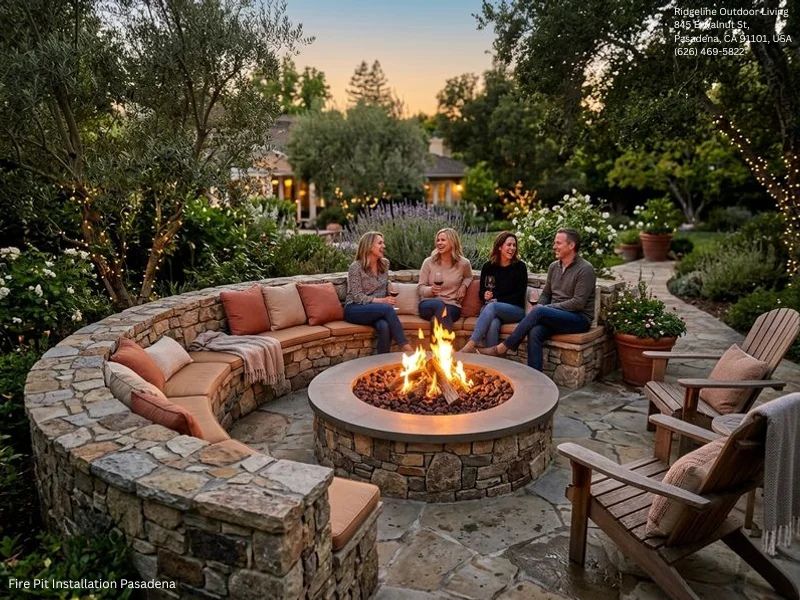
- Modular Furniture: Pieces that can be moved offer flexibility to suit intimate gatherings or solo relaxation while maximizing limited space. Built-in Benches with Storage: Uniting seating with hidden storage tidies the yard and offers practical convenience. Position Near Garden Art or Water Features: Seating adjacent to focal points like sculptures or small fountains uplifts ambiance and invites people outside. Defined Social Zones: Using garden zoning to allocate compact social areas allows clear purpose and flow without crowding. Incorporate Small Lawns or Soft Surfaces: Beside soft areas support play, relaxation, or exercise in close proximity to seating.
These multifunctional design strategies help your small garden serve as a dynamic extension of your living space.
What Sustainable and Low-Maintenance Landscaping Techniques Suit Small Yards?
Sustainable landscaping in small yards reduces environmental impact while making upkeep manageable.
- Native and Drought-Resistant Plants: Choosing sustainable plants minimizes watering, fertilizer use, and pest control. Drip Irrigation Systems: Focused watering saves water and promotes healthier plants with less waste. Mulch Types Like Bark or Gravel: Mulching maintains moisture, reduces weeds, and boosts soil structure. Rain Gardens: Creating rain gardens handles runoff naturally and enriches wildlife habitats. Soil Improvement Through Composting: Improving soil ecologically promotes plant health and resilience. Solar Lights: Energy-efficient lighting prolongs outdoor usability without adding electric costs.
With these green methods, your small garden stays thriving, cost-effective, and simple to care for year-round.
How to Improve Privacy and Form a Sense of Enclosure in Small Yards?
Privacy converts a small garden from an visible area into a serene sanctuary.
- Privacy Screens with Climbing Vines: Combining architectural screens with vines eases boundaries and develops green walls. Tall Compact Shrubs and Potted Trees: These act as natural dividers without crowding spatial constraints. Garden Fences: Traditional fencing offers physical demarcation and a backdrop for plants and artwork. Layered Vegetation: Planting in layers gives depth and obscures sightlines softly and attractively.
Blending varied materials and plants offers privacy without losing openness and charm.
How to Integrate Water Features in Small Yards Without Crowding Space?
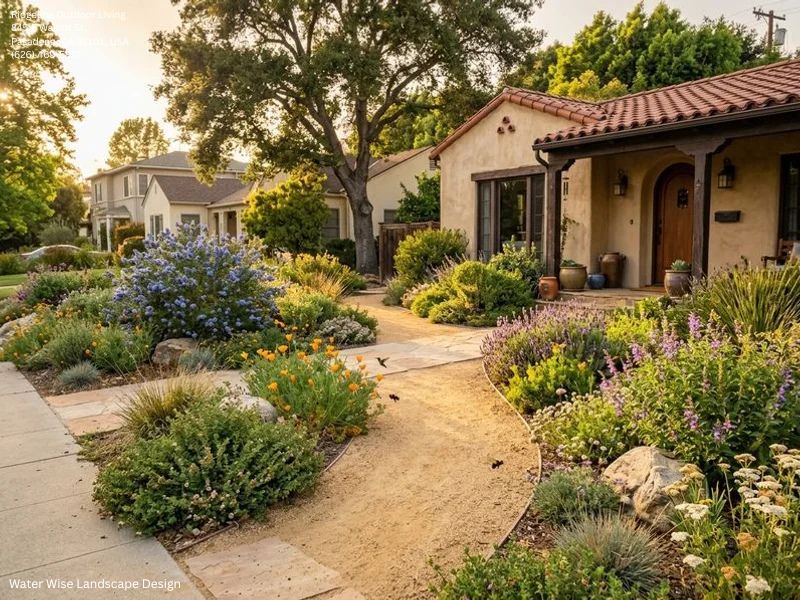
Water features such as small fountains or rock gardens add tranquility and sound while saving space.
- Choose compact water elements located near seating or garden art as focal points.Include bird feeders and wildlife habitats to attract beneficial nature visitors.Employ recirculating pumps for sustainable water usage and minimal maintenance.
How Does Garden Lighting Boost Small Yard Usability and Ambiance?
Lighting broadens use beyond daylight hours and improves mood and safety.
- Solar lights provide energy-efficient illumination for pathways and seating areas.Pathway lighting directs visitors and widens space.Mood lighting around garden art or water features creates warmth and charm.
What Tools and Maintenance Practices Are Best for Small Yard Landscaping?
Practical tools and routine care ensure your small yard healthy and attractive.
- Essential garden tools consist of pruning shears, trowels, and watering systems suited for confined spaces. Routine pruning controls plant size and stimulates healthy growth.Soil improvement through composting holds plants healthy in raised beds or containers.Using irrigation systems customized to small gardens decreases watering time and waste.
Designing Herb and Edible Gardens in Small Yards
Herb gardens and edible plants increase the functionality and pleasure of small outdoor areas.
- Container gardening allows growing herbs practical even on patios or balconies.Aromatic plants act as sensory improvements and culinary resources.Composting kitchen scraps supports soil fertility naturally.
Frequently Asked Questions (FAQ)
Q1: What Are Space-Saving Landscaping Ideas for Small Yards?
A1: Employ vertical gardening, container plants, and compact shrubs. Add multifunctional modular furniture and arrange garden zoning effectively to optimize every square foot.
Q2: Which Plants Thrive Best in Small Urban Gardens?
A2: Dwarf trees, native plants, succulents, ground covers, and shade-tolerant species grow well because they acclimate easily and demand minimal maintenance in confined spaces.
Q3: How Can I Create Privacy in a Small Outdoor Space?
A3: Privacy screens with climbing vines, tall shrubs, potted trees, and garden fences provide effective natural barriers that hide unwanted views while preserving beauty.
Q4: Are Water Features Recommended in Small Yards?
A4: Yes, small fountains or rock gardens offer a peaceful, sensory element without overcrowding when thoughtfully placed.
Q5: How Do I Maintain a Small Yard Easily?
A5: Select low-maintenance sustainable plants, set up efficient drip irrigation systems, use mulch appropriately, and perform regular pruning and soil enrichment.
Conclusion
Designing a small yard effectively in 2025 involves adopting minimalist landscaping principles, smart garden zoning, and creative use of vertical and container planting to increase space and function. By selecting the right combination of compact shrubs, dwarf trees, native and drought-resistant plants, along with integrating hardscape features such as permeable pavers, raised beds, and multifunctional seating, you can reshape any small garden into a charming, usable outdoor haven. Sustainable practices and privacy solutions also boost comfort and ease of maintenance, guaranteeing your small yard remains a delightful, eco-friendly retreat. Start planning today to unlock the full potential of your small outdoor space!
Ridgeline Outdoor Living
Ridgeline Outdoor Living is a Pasadena-based landscape design-build company serving Greater Los Angeles with custom outdoor living, hardscape, and drought-tolerant landscape solutions. The company specializes in patios, retaining walls, outdoor kitchens, drainage, hillside projects, and turnkey landscape construction, handling projects from design and permitting through final build and warranty.
Address:
845 E Walnut St,
Pasadena,
CA
91101,
United States
Phone: (626) 469-5822
Map: View on Google Maps
Business Hours:
- Monday – Saturday: 8:00 AM – 6:00 PM
- Sunday: Closed
Follow Us: