Effective landscape construction project management is critical for providing exceptional outdoor environments that combine aesthetics, functionality, and sustainability. Whether you are a landscape architect, contractor, or property developer, knowing the specific phases and best practices will help streamline your project’s delivery, oversee costs, and ensure regulatory compliance. This extensive guide examines every critical aspect of landscape construction project management to arm you with the knowledge and tools essential for excellence.
Introduction to Landscape Construction Project Management
Landscape construction project management entails overseeing the entire process of bringing landscape designs into reality. This covers directing project scope, working with landscape architects, arranging construction sequencing, and securing timely project delivery. Handling such projects requires a nuanced understanding of landscape design management, which combines technical site preparation with creative planning and execution. Success is based on properly organizing resources, timelines, and quality standards to address client expectations while complying with environmental regulations.
Key parts include extensive site analysis, complete construction documentation, and proactive risk management to navigate challenges inherent in outdoor projects. Effective leadership in project delivery guarantees smooth collaboration among contractors, subcontractors, and stakeholders, efficiently integrating all facets of landscape architecture into a cohesive build.
Key Stages of Landscape Construction Project Management
Project management in landscape construction follows distinct, interconnected phases that demand mastery for flawless workflow and outstanding results. Each phase addresses specific project needs from inception to completion, centering on planning, resource allocation, execution, and evaluation.
Site Analysis and Preparation
Site analysis lays the groundwork by analyzing soil conditions, topography, drainage, and current vegetation. Exact site surveying and topography mapping direct decisions on soil preparation and erosion control, ensuring a stable foundation. Proper drainage solutions reduce waterlogging while pest management maintains plant health before planting begins.
Design and Planning
This phase focuses on refining planting design, evaluating blueprints, and utilizing CAD drafting tools to detail irrigation systems, landscape lighting, and environmental impact considerations. hardscaping tips Effective planning integrates landscape architecture principles with client goals, optimizing space utilization and ecological sustainability.
Budgeting and Cost Estimation
Precise expense calculation and budget management are essential to stop exceeding budgets. This entails material sourcing plans and deal bargaining to get beneficial terms. Formulating a feasible project budget helps preserve monetary oversight while distributing enough funds for unexpected situations.
Resource and Workforce Management
Optimal asset allocation and labor management optimize operations. Handling subcontractors, equipment rental, and contractor relationships supports sustain project momentum and quality standards, securing every team member plays a role successfully towards project milestones.
Execution and Quality Control
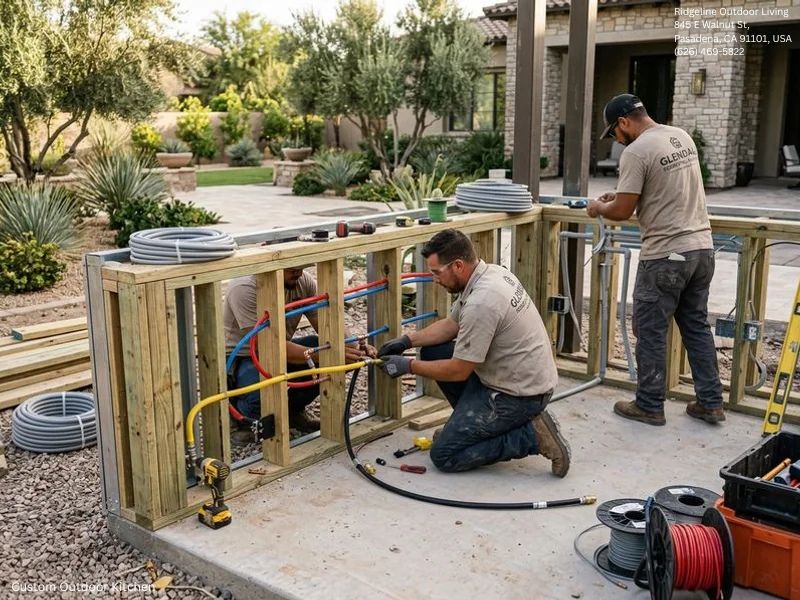
During execution, tasks such as hardscaping, fencing, retaining walls, and pathway construction are closely monitored. Quality control practices and observance of safety regulations and compliance standards guarantee durability and safety throughout the landscape.
Permits and Legal Compliance
Acquiring necessary permits and ensuring regulatory compliance make a key phase. Open stakeholder communication and careful contract negotiation lessen legal risks and keep the project consistent with local guidelines and environmental policies.
Project Tracking and Risk Management
Regular project monitoring, risk assessment, and operation refinement support preventive measures to challenges such as scope modifications or potential delays. Employing reliable surveillance systems supports maintaining timelines and budget allocations.
Resources and Approaches for Successful Landscape Construction Project Control
Utilizing dedicated project management software made for landscape construction enhances timetable management, communication, and status tracking. CAD drafting tools refine blueprint accuracy, while communication platforms support hardscape contractors Pasadena CA seamless team collaboration. Scheduling tools support synchronizing various construction phases for optimal resource use and efficiency.
Green Initiatives and Environmental Concerns in Landscape Construction
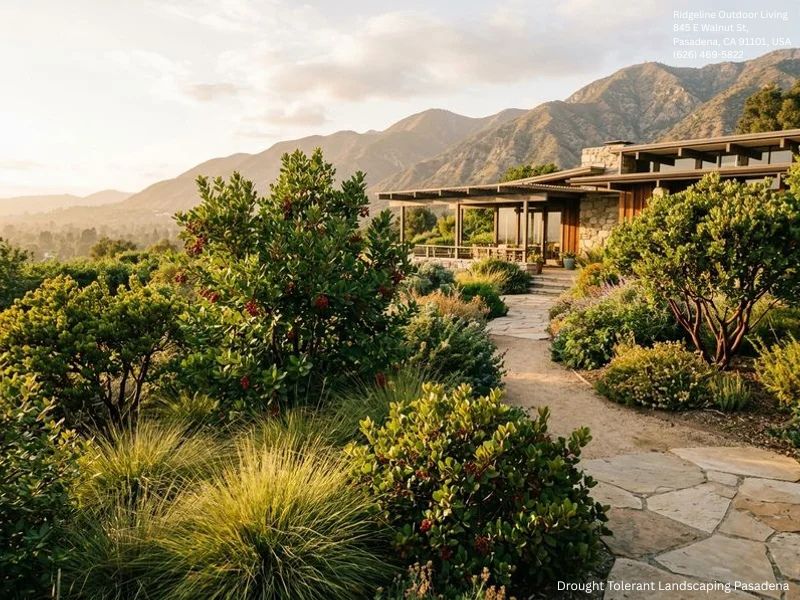
Adopting sustainability practices is important to minimize environmental impact. Strategies include soil preservation, erosion control methods, and water conservation techniques that maintain long-term ecological balance. Such initiatives not only meet environmental standards but also add value by creating resilient and eco-friendly landscapes.
Client Consultation and Communication Best Practices
Maintaining clear, consistent communication with clients and stakeholders establishes trust and secures expectations are met. Regular project updates, detailed reporting, and collaborative consultation sessions help align designs with evolving client needs and ensure openness throughout the building cycle.
Major Obstacles and Resolutions in Landscape Construction Projects
- Risk Assessment: Identifying and reducing risks ahead of time averts significant delays and damage. Delay Management: Flexible scheduling and contingency planning ensure the project on track. Budget Overruns: Continuous budget monitoring and cost control processes curb overruns. Contractor Disputes: Unambiguous contracts and proactive communication encourage constructive working relationships.
Excelling in landscape construction project management needs a harmonious approach uniting technical expertise, strategic planning, and effective communication. By concentrating on thorough site analysis, precise budgeting, workforce coordination, and sustainability, project managers can create impressive landscaping projects that satisfy both aesthetic and functional goals. Utilizing advanced tools and embracing best practices will enhance operations, reduce risks, and increase client satisfaction.
If you are set to enhance your landscape construction projects, commence by implementing these proven strategies and think about integrating leading project management technologies to optimize your workflow. The path to successful landscape project delivery starts with informed, structured management — converting vibrant outdoor visions into lasting realities.
Ridgeline Outdoor Living
Ridgeline Outdoor Living is a Pasadena-based landscape design-build company serving Greater Los Angeles with custom outdoor living, hardscape, and drought-tolerant landscape solutions. The company specializes in patios, retaining walls, outdoor kitchens, drainage, hillside projects, and turnkey landscape construction, handling projects from design and permitting through final build and warranty.
Address:
845 E Walnut St,
Pasadena,
CA
91101,
United States
Phone: (626) 469-5822
Map: View on Google Maps
Business Hours:
- Monday – Saturday: 8:00 AM – 6:00 PM
- Sunday: Closed
Follow Us: