Coordinating a landscape construction project demands a multifaceted interaction of planning, coordination, resource management, and quality control to shape design concepts into striking outdoor spaces. If you are landscape architect, contractor, or homeowner, knowing how project management operates within landscape construction is crucial for ensuring efficient workflows, budget adherence, and sustainable outcomes. In this article, we discuss the detailed approach to landscape construction project management, presenting a clear roadmap from initial site analysis to final project delivery.
What are the Primary Phases of Landscape Construction Project Management?
Landscape construction project management is organized around multiple phases that promote seamless workflow integration and timely project delivery. The journey initiates with thorough project planning and progresses through detailed site analysis and surveying. Once the landscape design is finalized, resources such as labor, materials, and equipment are deployed strategically.
The below phases are key:
- Initial Project Planning and Scope Definition to align objectives and deliverables.Site Surveying and Soil Testing to evaluate terrain conditions and environmental factors.Scheduling and Timeline Creation using innovative tools for workflow optimization.Execution Phase involving grading and leveling, planting strategy, hardscape installation, and irrigation planning.Inspection Processes and quality control to adhere to design specifications and industry standards.Final Project Delivery including complete documentation and post-project maintenance scheduling.
Each phase demands careful coordination among stakeholders to keep the project on track and sustain excellent standards throughout construction.
How Is Project Planning Handled in Landscape Construction?
Proper project planning establishes the framework for all successful landscape construction project. This phase starts by clearly defining the project scope and client objectives, which guide all subsequent decisions. Detailed cost estimation and attentive budget management are critical to keep costs in check and secure financial feasibility.
Modern project teams frequently employ CAD modeling and 3D visualization technologies. These tools facilitate generating precise blueprints and landscape renderings, enabling client approvals and blueprint review. This visual clarity allows recognize potential issues before breaking ground.
Moreover, defining practical timeframes and milestones in this phase promotes effective labor and resource scheduling downstream. A well-designed plan also incorporates risk assessments and contingency measures.
What Role Does Resource Allocation Play in Landscape Construction Management?
Resource allocation is crucial for operational efficiency, confirming that the right materials, equipment, and skilled labor are obtainable when required. Strong labor management maximizes productivity by distributing tasks based on expertise and availability, while harmonious subcontractor management ensures specialized services such as lighting design or fencing installation blend smoothly.
On the material front, responsible material sourcing and a streamlined procurement process support sustainability goals and budget constraints alike. Planned equipment management avoids downtime and minimizes logistical bottlenecks.
Overall, resource allocation orchestrates all physical and human assets, making certain workflows function without disruption and align perfectly with the project timeline.
How Are Budgets and Costs Managed During the Project?
Handling budgets throughout landscape construction demands continuous vigilance. An initial cost estimation anchors the financial plan, but dynamic monitoring through real-time progress tracking is necessary to recognize deviations early.
Robust contract negotiations with suppliers and subcontractors hardscaping tips obtain competitive pricing and clearly define scopes of work, which supports in upholding fiscal discipline. When project scope adjustments happen, responsive change management protocols confirm budget impacts are thoroughly reviewed and controlled.
By applying cost controls and transparent reporting, project managers preserve financial stability and promote informed decision-making throughout the project lifecycle.
What Steps Are Involved in Site Analysis and Environmental Compliance?
Detailed site analysis is critical to successful landscape construction. It involves detailed soil testing, grading, and leveling surveys to determine foundational conditions. Evaluations of existing vegetation help establish appropriate planting strategies and conservation approaches.
Environmental compliance is crucial during this phase. Applying robust erosion control measures and creating effective drainage solutions preserve soil integrity and manage runoff properly. Observing local, state, and federal regulations avoids legal issues and encourages sustainable practices.
Thoughtful vegetation management makes certain that native plants are preserved or replaced carefully, enhancing ecosystem health and maintaining regulatory approval.
How Is Timeline Scheduling and Workflow Optimization Achieved?
Accurate timeline scheduling leverages software tools and methodologies like critical path analysis to provide distinct visibility over project phases and task dependencies. This planning helps identify the most effective sequence of activities.
Workflow optimization incorporates automation where possible, lowering manual errors and streamlining routine processes such as procurement tracking and subcontractor scheduling. Comprehensive logistics planning organizes the timely delivery of materials and equipment, preventing costly delays.
Continual progress tracking allows project managers to detect potential bottlenecks early and modify workflows dynamically, securing smooth project delivery on or ahead of schedule.
How Does Team Coordination and Communication Impact Landscape Project Success?
Successful landscape construction depends on efficient team coordination and clear communication. Connecting with clients, subcontractors, labor teams, and stakeholders through regular meetings, progress updates, and clear reporting promotes alignment on project goals.
Intentional communication cuts misunderstandings and facilitates prompt conflict resolution, which maintains morale and project momentum. Competent management of subcontractor relationships assures specialized contributors continue to be integrated within the broader team framework.
Overall, cultivating a collaborative environment enhances trust and accountability, which immediately affects the quality and timeliness of project completion.
What Are Common Risk Factors and How Are They Mitigated?
Landscape construction projects face several risks including weather disruptions, delayed or denied permits, onsite safety hazards, and unforeseen subterranean conditions. Conducting a detailed risk assessment during planning pinpoints these vulnerabilities early.
Mitigation strategies comprise tight enforcement of safety protocols, timely permit acquisition by foreseeing regulatory requirements, and frequent inspection processes to find developing issues.
Flexible change management professional landscaping Pasadena CA systems facilitate adjustments to scope, schedule, or resources without compromising overall project stability, supporting the timeline and budget intact.
How Do Quality Control and Inspection Processes Work in Landscape Construction?
Quality control practices confirm all construction activities follow construction documentation and landscape design specifications. Thorough inspections at predefined milestones check workmanship, material quality, and installation accuracy.
These inspections offer chances to identify and fix deviations early, avoiding compounding errors. Post-construction, comprehensive maintenance scheduling
supports long-term landscape condition, promoting mulch placement, vegetation control, and erosion prevention.
This structured approach to quality management contributes in exceptional project delivery and improved client satisfaction.
What Are Optimal Strategies for Sustainable Landscape Construction?
Adopting sustainability practices is now a essential part of ethical landscape construction. Preferring native, drought-resistant plants lowers water consumption and maintenance burdens. Strategic irrigation planning enhances water use efficiency.
Limiting soil disturbance maintains natural structures, while erosion control methods prevent degradation. Using green infrastructure principles and upholding environmental compliance contribute to resilient, eco-friendly landscapes that are long-lasting.
How Are Technology Tools Utilized in Landscape Project Management?
Technology has revolutionized landscape construction. CAD modeling and 3D visualization deliver exact, immersive representations of designs, facilitating client communication and approval speed. Advanced project management software facilitates timeline scheduling, resource allocation, and progress tracking in centralized platforms.
Further adoption of workflow automation lowers administrative burdens and improves transparency, allowing project managers to decide swiftly and accurately throughout all phases.
The Importance of Irrigation and Drainage Solutions in Landscape Construction
Adequate irrigation planning ensures plants get adequate water, preserving health while reducing waste. Complementary drainage solutions handle excess water and reduce soil erosion, standing water, and structural damage, key to long-term project success.
Effective water management relies on thorough soil testing and strategic design interventions specific to the site's unique conditions.
Managing Hardscape Installation and Paving Techniques
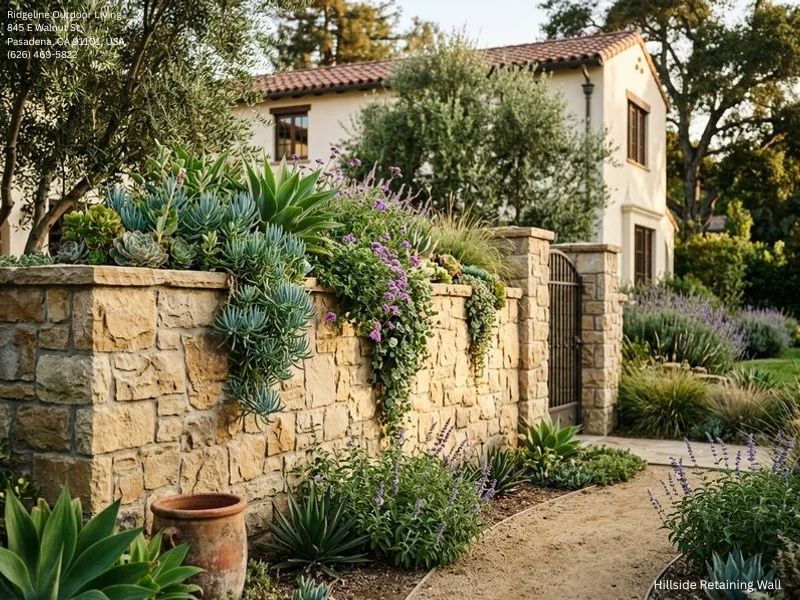
Hardscape installation such as patios, walkways, and retaining walls requires precision and expertise. Preferring appropriate paving techniques improves durability and aesthetics. Additionally, integrating fencing installation and integrated lighting design contributes functional and visual appeal, enhancing the landscape architecture.
Handling Permits, Regulations, and Contract Negotiations Efficiently
Securing necessary permits early in the project schedule avoids costly delays and legal complications. Knowing regulatory frameworks assists maintain regulatory compliance. During contract negotiation, clear terms with subcontractors and suppliers secure aligned expectations and reduce disputes.
Preservation Scheduling for Lastingness of Green Areas
Following the project, systematic upkeep coordination maintains landscape condition. This includes regular vegetation management, scheduled mulch application, and steady enforcement of land erosion prevention to preserve functionality and appearance over time.
Frequently Asked Questions
Q1: What qualifications should a landscape construction project manager have?
A1: A qualified project manager typically possesses expertise in landscape architecture or construction management, combined with knowledge of environmental regulations, budgeting, scheduling, and competent team coordination skills.Q2: How long does a typical landscape construction project take?
A2: Timelines fluctuate depending on project scale and complexity, ranging from several weeks for smaller jobs to several months for extensive works involving hardscapes and irrigation systems.Q3: What environmental regulations impact landscape construction?
A3: Regulations often cover stormwater management, protection of native vegetation, erosion control, and requiring permits issued by local or federal environmental authorities.Q4: How can technology improve landscape project outcomes?
A4: Technology boosts design clarity, speeds up scheduling and resource management, boosts communication among stakeholders, and minimizes errors and delays throughout the project. 
Q5: What strategies help control costs during landscape construction?
A5: Strategies include accurate initial cost estimation, vigilant progress tracking, prudent contract negotiations, and adaptable change management processes.Q6: Why is risk assessment important in landscape construction projects?
Summary
Handling landscape construction project management effectively entails a multifaceted approach combining meticulous project planning, astute resource allocation, diligent budget management, and strict adherence to environmental compliance and quality control. Using modern technology tools and fostering transparent communication enriches team dynamics and stakeholder engagement. By implementing sustainable practices and proactive risk mitigation, landscape projects not only achieve aesthetic and functional goals but also provide lasting ecological benefits.
Whether a professional oversees projects or a homeowner manages a landscape change, understanding these key management elements enables you to accomplish exceptional results efficiently and sustainably.
Ridgeline Outdoor Living
Ridgeline Outdoor Living is a Pasadena-based landscape design-build company serving Greater Los Angeles with custom outdoor living, hardscape, and drought-tolerant landscape solutions. The company specializes in patios, retaining walls, outdoor kitchens, drainage, hillside projects, and turnkey landscape construction, handling projects from design and permitting through final build and warranty.
Address:
845 E Walnut St,
Pasadena,
CA
91101,
United States
Phone: (626) 469-5822
Map: View on Google Maps
Business Hours:
- Monday – Saturday: 8:00 AM – 6:00 PM
- Sunday: Closed
Follow Us: